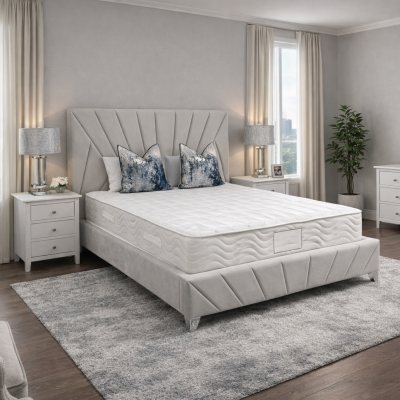
Mattress buying guide for Ireland
Understanding Your Sleep Needs
Before diving into mattress options, take time to consider your personal sleep preferences. Do you sleep on your back, side, or stomach? Each position requires different levels of support and cushioning. Back sleepers typically benefit from medium-firm mattresses that maintain spinal alignment, while side sleepers often prefer softer surfaces that cushion the shoulders and hips. Stomach sleepers generally need firmer support to prevent excessive sinking.
Your body weight also plays a role in mattress selection. Heavier individuals may find that firmer mattresses provide better support and durability, whereas lighter sleepers might prefer softer options that contour more easily to their body shape.
Mattress Types Explained
Memory Foam Mattresses are popular for their pressure-relieving properties and motion isolation. They conform closely to your body, which many people find comfortable, though they can retain heat. These work well if you share a bed and want to minimise disturbance from your partner's movements.
Pocket Spring Mattresses feature individual springs wrapped in fabric, offering excellent support and breathability. They're ideal if you tend to sleep hot, as they allow better air circulation than foam alternatives. The independent springs also provide good motion isolation.
Hybrid Mattresses combine foam layers with spring systems, aiming to deliver the best of both worlds—comfort and support with reasonable temperature regulation.
Latex Mattresses are naturally hypoallergenic and durable, making them suitable for allergy sufferers. They offer responsive support and good bounce, though they tend to be pricier than other options.
Mattress Sizes in Ireland
Choosing the right size is one of the first decisions to make, as it affects both comfort and room layout. Standard mattress sizes available in Ireland include:
Single (90 x 190cm) – Ideal for children's rooms or single sleepers in smaller spaces.
Small Double (120 x 190cm) – A good option for single adults who want more room, or couples in a smaller bedroom.
Double (135 x 190cm) – The most popular size for couples, offering a good balance of space and room footprint.
King (150 x 200cm) – Extra width and length for couples who want more sleeping space and comfort.
Super King (180 x 200cm) – Maximum space for those with larger bedrooms, offering the ultimate in sleeping comfort for couples.
Always measure your bedroom and bed frame before purchasing, and allow enough clearance around the bed for easy movement.
Firmness Levels
Mattress firmness is typically rated on a scale. Soft mattresses suit side sleepers and lighter individuals, medium mattresses work for most sleepers and body types, and firm mattresses provide maximum support for back and stomach sleepers or heavier individuals. Consider your preferences carefully—a mattress that feels perfect in a showroom might feel different after a full night's sleep at home.
Bed Base Compatibility
The base you pair with your mattress can significantly affect its performance and longevity. Slatted bases offer good ventilation and are suitable for most mattress types, though slats should be no more than 7cm apart to provide adequate support. Divan bases provide a solid, even surface and often include useful storage drawers. Platform bases have a solid top and work well with most mattresses, though they may reduce airflow slightly.
It's worth noting that using an incompatible base can void your mattress warranty, so always check the manufacturer's recommendations before purchasing.
Budget Considerations
Quality mattresses are an investment in your health and wellbeing. While budget options exist, expect to spend a reasonable amount for a mattress that will last seven to ten years. Mid-range mattresses often offer the best value, balancing comfort, durability, and price. Premium options may include advanced cooling technologies or luxury materials, but aren't always necessary for a good night's sleep.
Buying Online vs. In-Store
Both options have their merits. Buying in-store allows you to physically test a mattress before committing, which can be helpful for those unsure of their firmness preference. However, showroom conditions don't always replicate a full night's sleep.
Buying online often offers better value, a wider selection, and the convenience of home delivery. Many online retailers now offer generous trial periods of 30 to 100 nights, allowing you to test the mattress properly at home with the option to return it if it's not right for you. For Irish shoppers outside major cities, online purchasing can also provide access to brands and models not available locally.
Testing and Returns
Many Irish retailers offer trial periods—typically 30 to 100 nights—allowing you to test a mattress at home before committing. This is invaluable, as comfort is highly personal. Check the return policy carefully, including whether you'll incur costs for returns or exchanges. Some retailers also offer home delivery and setup, which is worth considering given the size and weight of mattresses.
Durability and Warranty
Look for mattresses with solid warranties, usually between five and ten years. A good warranty reflects the manufacturer's confidence in their product. Check what's covered—most warranties protect against manufacturing defects rather than normal wear and use. Rotating your mattress regularly (if recommended by the manufacturer) can extend its lifespan.
Care and Maintenance
Proper care can significantly extend the life of your mattress. Use a mattress protector from day one to guard against spills, dust mites, and allergens—this also helps maintain your warranty. Rotate your mattress every three to six months (head to foot) to ensure even wear, unless the manufacturer advises otherwise. Allow your mattress to air regularly by pulling back the bedding for an hour or so each morning before making the bed. Avoid jumping on the mattress or placing excessive weight on one area, as this can damage the internal structure over time.
When to Replace Your Mattress
Most mattresses have a lifespan of seven to ten years, but there are signs that it may be time to replace yours sooner. If you notice visible sagging or lumps, your mattress is no longer providing even support. Waking up with aches, pains, or stiffness that weren't there before can indicate your mattress is no longer supporting you properly. If you find yourself sleeping better elsewhere—in a hotel or a guest bed—that's a strong signal it's time for an upgrade. Increased allergy symptoms can also point to a mattress that has accumulated dust mites and allergens beyond what cleaning can address.
Children's Mattresses
Choosing a mattress for a child requires slightly different considerations. Children need good support for healthy spinal development, so look for a medium-firm mattress that won't sag under their weight. Hypoallergenic materials are particularly beneficial for children with allergies or asthma. Waterproof or water-resistant covers are a practical choice for younger children. As children grow quickly, it's also worth considering a mattress that will suit them for several years rather than replacing it frequently.
Additional Factors
Consider whether you need hypoallergenic materials if you have allergies or sensitivities. Temperature regulation is important if you sleep hot or cold—memory foam tends to retain heat, while springs and latex offer better airflow. If you share your bed, motion isolation becomes more relevant, as it reduces the impact of your partner's movements on your sleep.
Finally, ensure your mattress is compatible with your bed frame and that delivery logistics work for your home. Taking time to choose the right mattress pays dividends in sleep quality and long-term satisfaction.